

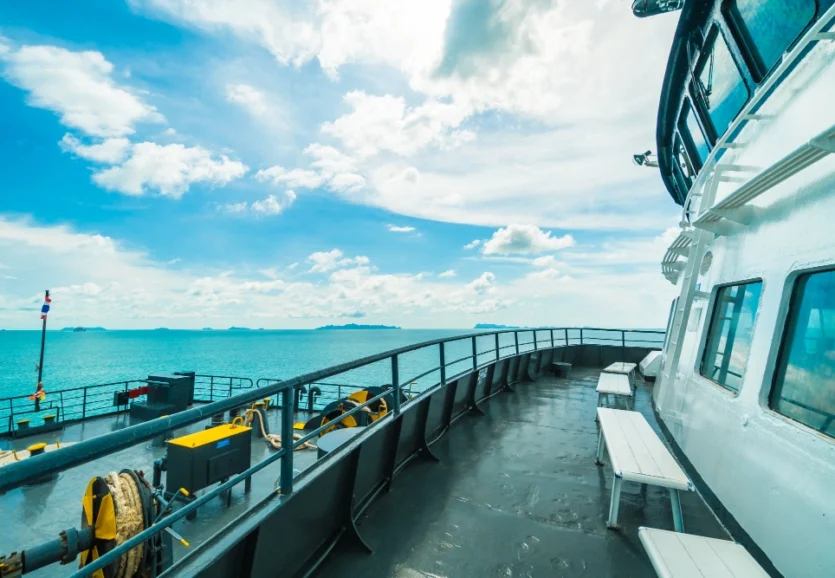
Developing a Modern Ferry Transportation System to Improve Coastal Mobility
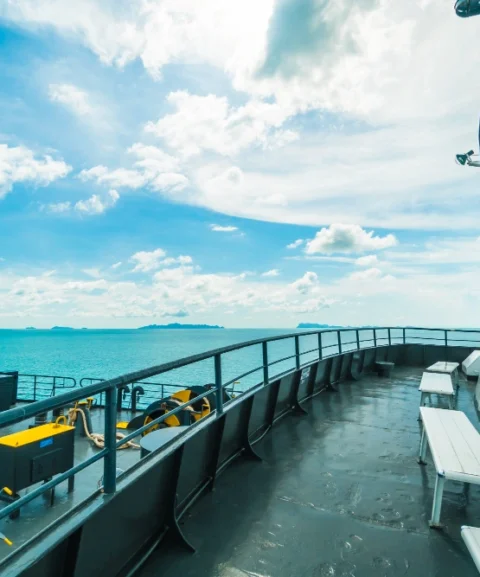
Issues
Our client, a coastal city in Thailand, faced challenges related to transportation options and connectivity with neighboring islands and tourist destinations. The city sought to enhance its transportation network while promoting tourism, supporting local communities, and reducing road congestion caused by over-reliance on cars and buses.
Solution
Eurogroup Consulting was engaged to develop and implement a modern ferry transportation system to address these challenges.
Approach
We initiated the project by conducting an extensive analysis of the city’s coastal infrastructure, existing ferry and boat services, and potential demand for water-based transportation. Our approach included the following key components:
- Route Planning: We identified strategic routes along the Chao Phraya River and inter-island corridors such as Phuket–Phi Phi and Pattaya–Koh Larn, considering tourist attractions, commuter needs, and economic viability.
- Vessel Procurement: We assisted in the procurement of suitable ferry vessels, prioritizing options that met safety, capacity, and environmental standards, including electric and hybrid ferries.
- Ticketing and Booking Platform: We developed an online ticketing and booking platform, allowing both domestic commuters and international tourists to easily reserve and purchase ferry tickets in advance.
- Infrastructure Development: We recommended the construction of modern ferry terminals equipped with passenger amenities, parking facilities, and efficient boarding processes to improve convenience and accessibility.
Recommendations:
Our recommendations included a phased launch of ferry services, starting with pilot routes in Bangkok and Phuket to gauge demand and operational efficiency. We also proposed marketing campaigns targeting both residents and international visitors to promote water-based mobility as a reliable and enjoyable alternative.
Engagement ROI
The implementation of the ferry transportation system had a transformative impact on the city. Residents and visitors gained a convenient and scenic mode of transportation, reducing road congestion and commuting time. Tourism flourished as travelers embraced the opportunity to explore river and island destinations more easily. Additionally, the city’s economy benefited from increased tourist spending and reduced environmental impact, as more passengers opted for eco-friendly ferry transportation. The project represented a significant step toward sustainable urban mobility and enhanced connectivity in Thailand’s coastal and river-based regions.