
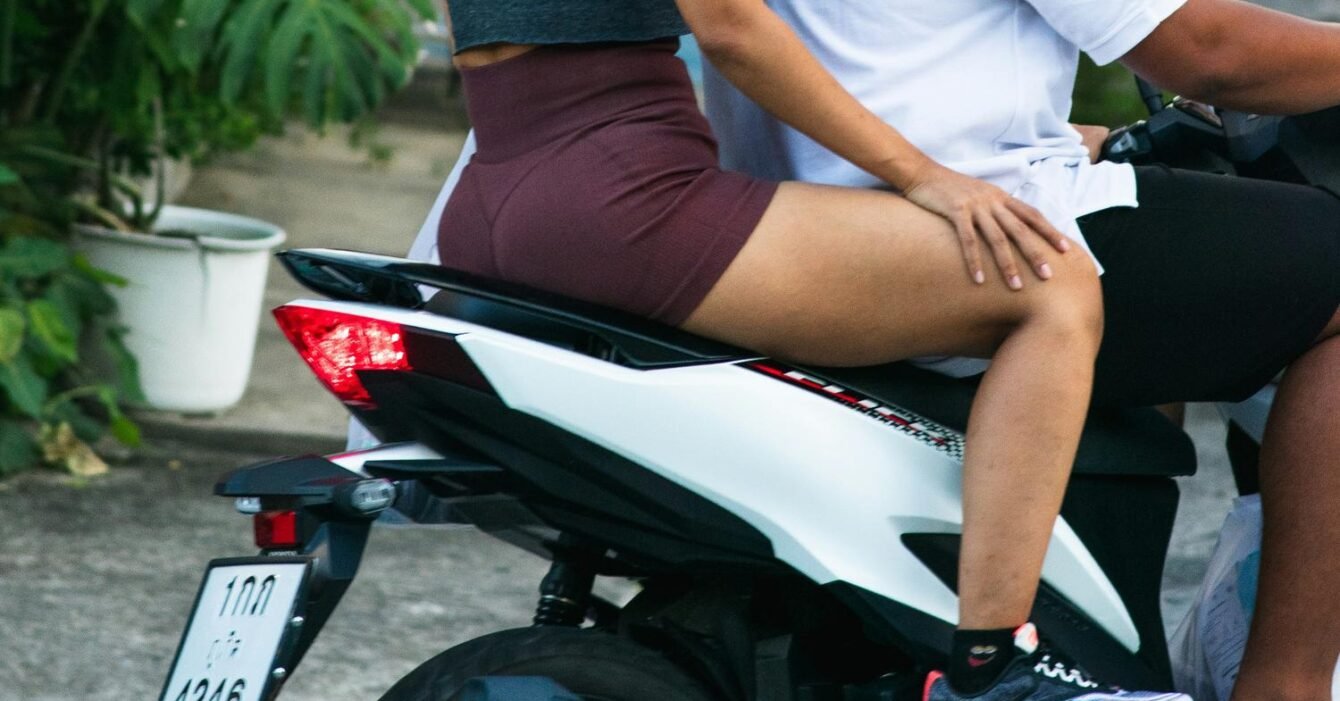
The market of electric motorcycle taxi in Bangkok is becoming the frontline of Thailand’s EV transition. At the heart of this shift are the iconic “Win” drivers — the orange-vested motorcycle taxis seen across the city. With about 51,000 registered drivers, they form one of the largest commercial two-wheel fleets in Southeast Asia.
The real battle is not about the bikes. It is about battery swapping standards. Whoever controls the swapping network controls the ecosystem. And right now, that fight is wide open.
Why Win Drivers Are the Prime Electrification Target
Thailand has 22 million registered motorcycles, but only 8,783 are electric. This gap shows how early the market still is. Win drivers stand out because they ride every day, follow fixed routes, and operate from known locations.
Read Also: EV Surge in Thailand: Registrations Up 45%
That makes them ideal for pilot programs. More than 1,000 Win drivers already take part in electrification initiatives around Bangkok. They use over 120 automated battery swapping stations, cutting transport costs to around THB 4,000 per month through rental models.
For policymakers and companies, converting Win drivers creates a visible impact fast.
Electric Motorcycle Taxi in Bangkok and the Standards Problem
Despite strong pilots, progress is slowed by one major issue: no unified battery standard. Different motorcycle brands use different batteries and connectors. This forces operators to build separate infrastructure, raising costs and slowing scale.
Public agencies are testing options. EGAT has run one-year studies on taxi electrification. NSTDA has developed swappable battery prototypes for two motorcycle models and tested them at three sites. UNEP backed pilots in Samyan, where 30 Win drivers tested electric bikes with Swap & Go stations.
Still, without common standards, the network remains fragmented.
Electric Motorcycle Taxi in Bangkok: Why Charging Fails Commercial Riders
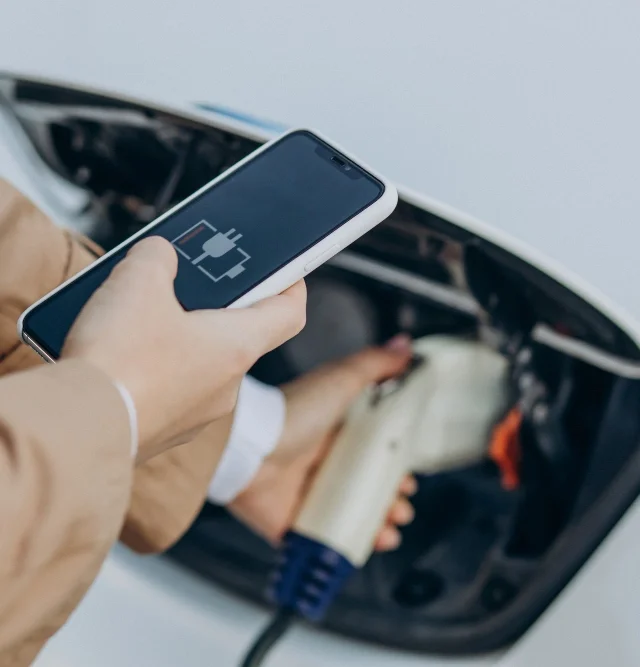
For Win drivers, time is money. They ride 150 to 250 kilometers per day. That means two to three charges daily if they rely on plug-in charging.
A single charge can take up to two hours. No commercial driver can afford that. This is why drivers reject long charging waits, even though surveys show 78.9% of riders still prefer charging in theory. In practice, the time loss is too high.
Bangkok pilots show a clear pattern. When swapping is available, drivers choose it.
Read Also: Thailand EV Market Share 2025 Sparks a Fierce Auto Shift
Battery Swapping as the Only Viable Model
Battery swapping solves the core problem. It takes minutes, not hours. It reduces grid strain and extends battery life. Networks like Swap & Go already operate 22 stations covering 150 kilometers across Bangkok and support multiple EV motorcycle brands.
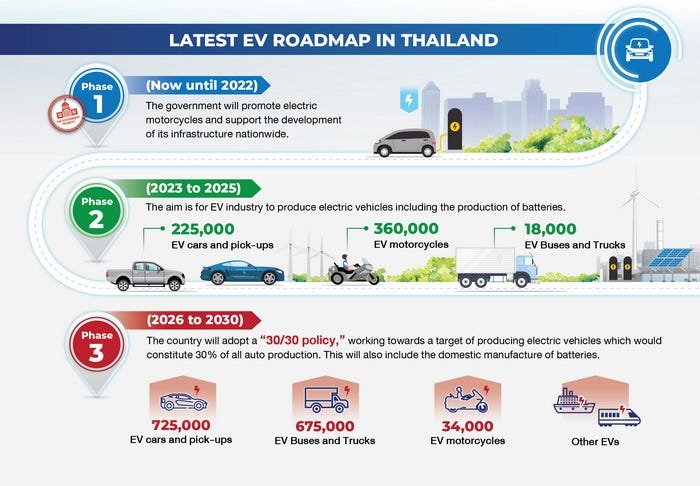
Thailand plans 1,450 swapping stations and 12,000 charging points nationwide by 2030. For the commercial sector, especially Win drivers, swapping will decide who wins and who exits the market.
The Strategic Outlook for Electric Motorcycle Taxi in Bangkok
The future of the electric motorcycle taxi in Bangkok depends on standards, speed, and network ownership. This is not just a transport issue. It is a platform battle. For investors, operators, and policymakers seeking deeper insight, Market Research Thailand by Eurogroup Consulting offers strategic market research backed by 40 years of distinguished experience. With a strong focus on Thailand and the wider region, Eurogroup Consulting helps clients navigate fast-changing mobility markets and build winning strategies in Southeast Asia’s evolving landscape.